How Algorithms Shrink Your World
The Illusion of Infinite Choice
We live in an age where algorithms decide what we watch, what we read, who we follow, and even what we believe. From search engines to streaming platforms, social media feeds to e-commerce recommendations, every interaction online is increasingly tailored by machine learning models optimized for one thing: engagement. The more time you spend, the more predictable you become. The more predictable you are, the easier it is to monetize your attention.
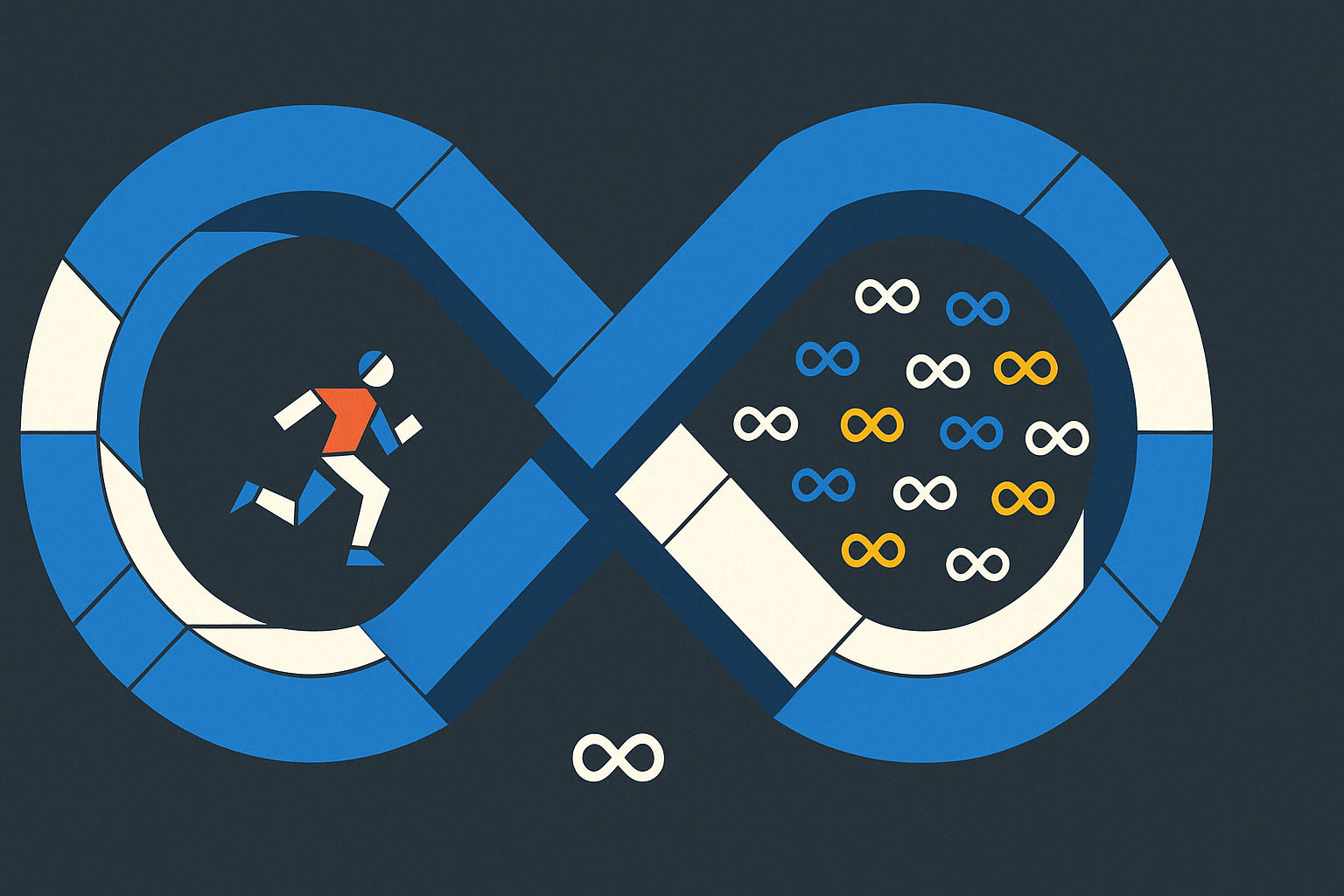
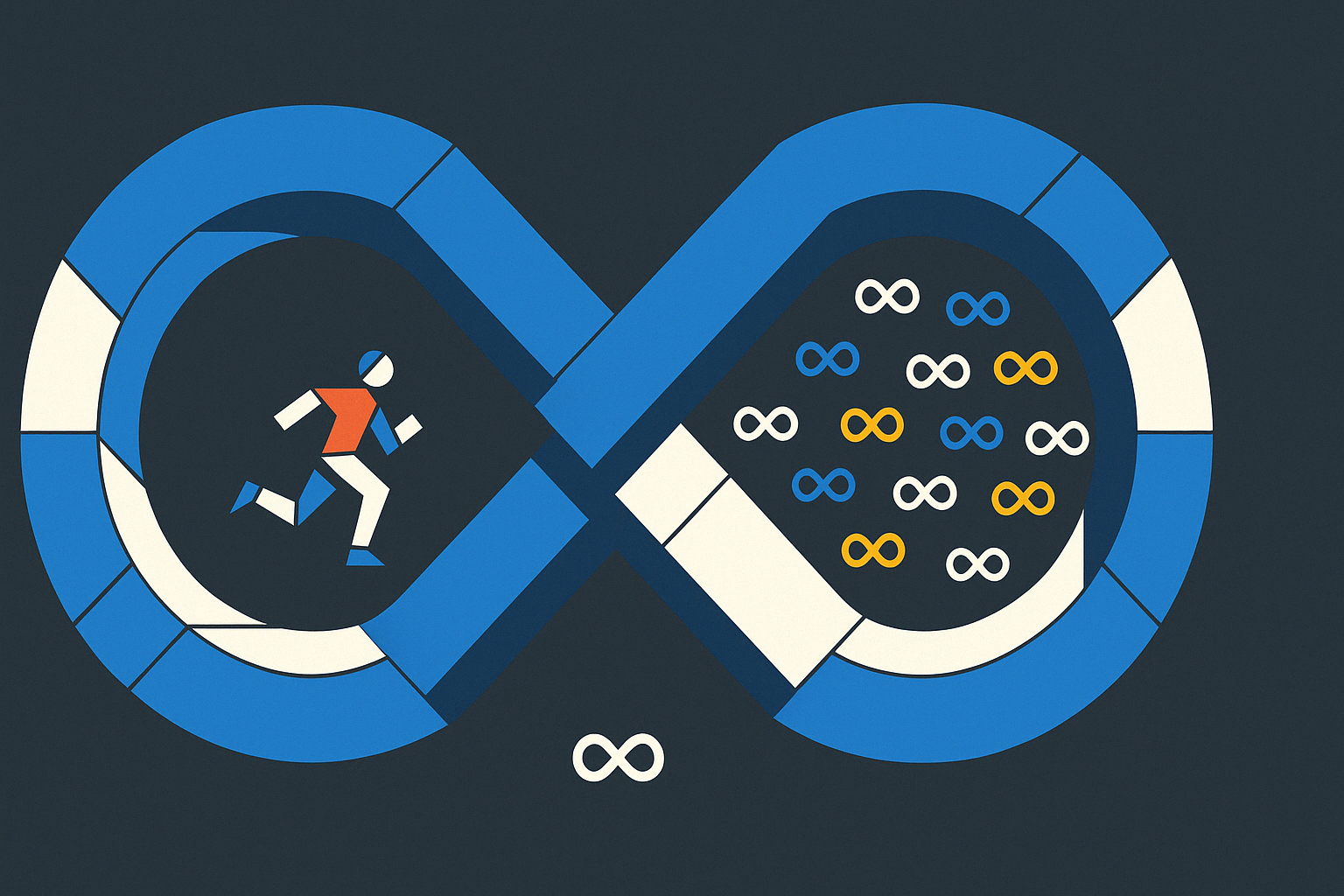
But here’s the problem: algorithms don’t just curate your experience. They contour your worldview. Quietly, subtly, they trap you in a feedback loop where the world begins to shrink, interests narrow, and beliefs harden. You think you’re exploring, but you’re really circling the same digital block, again and again.
At Sanctity, we believe that this is not just a technological issue-it’s a deeply human one. Because when AI learns from a narrow view of the world, it ends up reinforcing that narrowness back into society. And that’s not the future we want.
The Algorithmic Loop
The Personalization Paradox
Algorithms promise personalization, but they often deliver predictability. They take a handful of your past behaviors-clicks, views, scrolls, purchases-and infer what you’ll want next. On paper, this looks like a service. In reality, it can become a trap.
Say you watched a few nutrition videos late one night. The next morning, your YouTube feed is filled with diet hacks, fasting testimonials, and pseudoscientific wellness advice. Did you choose this content? Or did the algorithm choose it for you, based on a late-night curiosity that the system mistook for a lifelong passion?
Mistaking Curiosity for Conviction
Here’s where it gets dangerous. Machine learning models don’t understand context or intention the way humans do. They don’t know you watched that controversial documentary because you were curious, skeptical, or even bored. They just see the data point and feed you more of the same. Curiosity gets mistaken for conviction. One accidental click spirals into a self-reinforcing tunnel.
Before long, your recommendations harden. Your digital world becomes hyper-focused on a single theme. It might feel comforting-even addictive-but it comes at the cost of discovery.
The Invisible Walls
The scary part? You don’t realize it’s happening. Unlike physical walls, algorithmic ones are invisible. There’s no friction, no resistance. The content seems tailored to you because it is, but it’s tailored to a version of you that might not reflect your evolving self.
Algorithms don’t ask, “Who do you want to become?” They ask, “Who have you been?”
Societal Impact and Ethical Blind Spots

When Curation Becomes Manipulation
At scale, the consequences multiply. When billions of users are nudged by recommender systems toward high-engagement content, the outcome is not personalization but homogenization. The same viral dances, hot takes, and outrage cycles appear everywhere. The internet begins to feel smaller, not bigger.
This is not accidental. Engagement-driven algorithms exploit emotional triggers-fear, anger, tribalism-because these emotions keep people clicking. Over time, this doesn’t just change what we consume. It changes who we are.
Manufactured Consent and Microtargeted Influence
In politics, the implications are profound. Campaigns and interest groups use microtargeting to push narratives to specific audiences. Not everyone sees the same version of the truth. Facts become fragmented. Consensus becomes harder to reach. AI doesn’t just reflect society-it can actively fragment it.
As Shoshana Zuboff, author of The Age of Surveillance Capitalism, warns: “You are not the product. You are the raw material.”
AI Misunderstands Cause and Effect
Another big flaw of AI - Algorithms often mistake correlation for causation. If you watch a series of videos about financial hardship, it might start feeding you more content about side hustles or crypto schemes. But it may ignore deeper systemic issues, mental health struggles, or your need for reliable guidance.
In a way, these systems are like a doctor that misdiagnoses based on a symptom snapshot. The treatment plan-the content you receive is based on shallow data, not holistic understanding.
From Shrinking Worlds to Expanding Possibilities

Human-Centric Design vs. Engagement Optimization
The way forward is not to dismantle AI, but to redesign its incentives. What if algorithms were optimized not for engagement, but for growth? Not just clicks, but context? At Sanctity, we’re exploring ways to make AI systems more representative of real human values rather than reductive behavioral signals.
This isn’t just a technical challenge. It’s a moral one.
Learning from All of Us, Not Just the Loudest
Today, most training data comes from a skewed demographic: English-speaking, tech-savvy users from a narrow band of socioeconomic backgrounds. That’s not pluralism-that’s bias at scale.
We believe AI should learn from all of us. That means inviting voices from every background, culture, profession, and lived experience to shape the value systems AI learns from. Not just in terms of language translation, but values translation. What’s right, respectful, fair, or funny varies across the globe. If AI doesn’t understand that, it’s not ready to serve us.
Building a More Representative Moral Map
We don’t claim to have all the answers. But we are building infrastructure that allows people to weigh in on the ethical boundaries AI must respect. This means asking better questions, collecting broader inputs, and maintaining a privacy-first approach where no contribution is ever tied to a person’s identity.
We’re not training one AI for one company. We’re working on a foundation that can guide any AI to align better with everyone.
Rediscover Your World With Sanctity
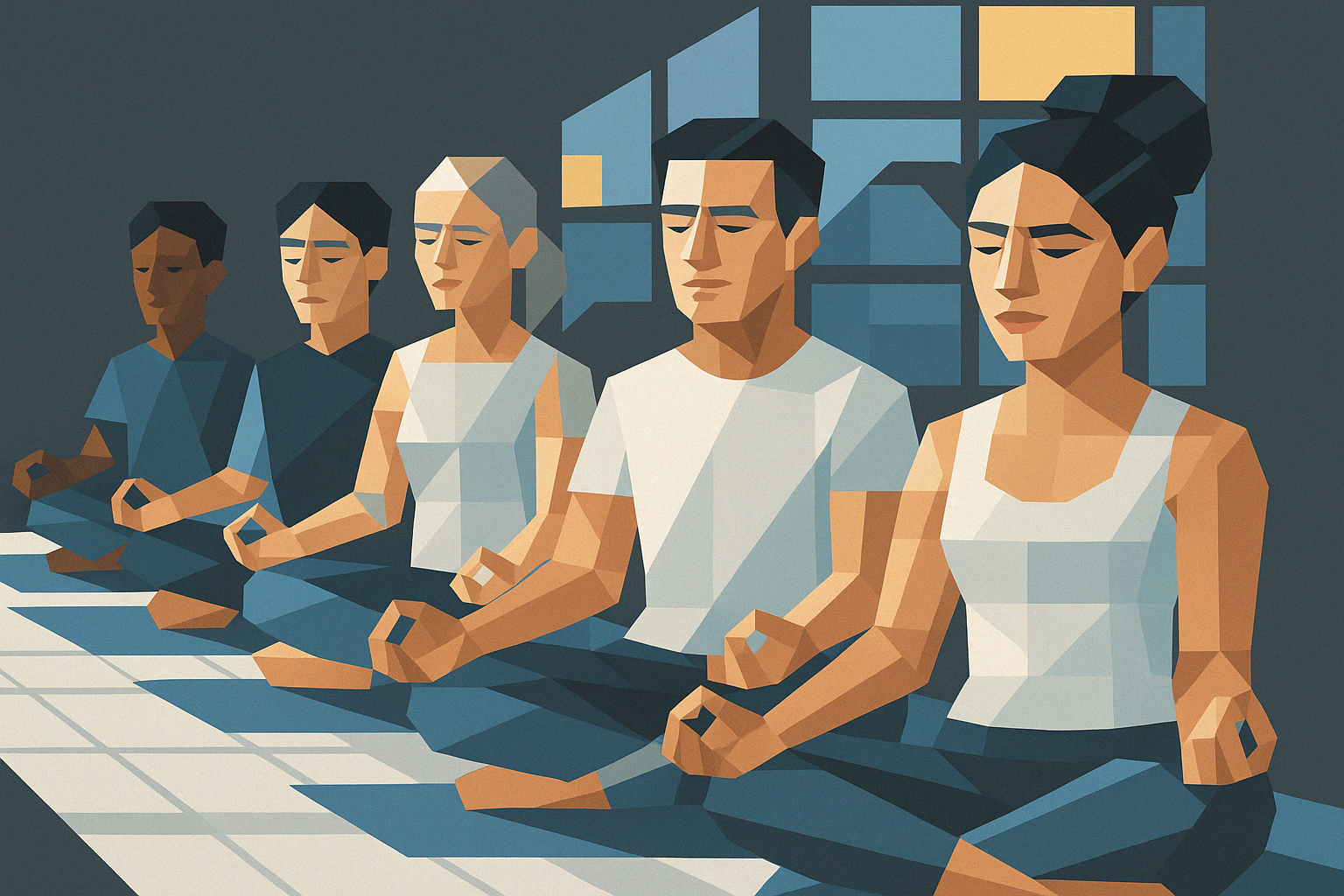
You are more than your clicks. More than your past behaviors, your viewing history, or your purchase patterns. You are a complex, evolving, imaginative human being. But today’s algorithms don’t see that. Not yet.
Our mission at Sanctity is to ensure AI doesn’t keep shrinking your world. Instead, we want it to stretch the boundaries of what’s possible-to reflect not just what you’ve done, but who you aspire to become. That begins with rethinking what we teach machines, who gets to decide, and how we protect human dignity in a digital age.
Let’s not let AI define us by our past. Let’s define it by our collective hopes for the future.
Sanctity is building the world’s most inclusive ethical infrastructure for AI. We invite you to be part of this shift - because a future worth building is one where every voice matters.
Sanctity is built on one idea: AI should be taught by all of us, as equals.
Be the Voice ›